Showing posts with label Stickers. Show all posts

April 04, 2026

Big Pun "Yeeeah Baby!" (The Source, 2000)


Imagine the puzzle faced by a larger cat--slightly heavier than the average entertainer--tryin' to make a name in hip-hop. If you're one of the Fat Boys, you make light of your size, using your music as a way to run one long-ass joke about your weight. If you're Biggie or Fat Joe, you come with the raw, ice grillin' any and everybody who might even think about crackin' a "fat" joke. But what do you do when you're not only one of the sickest MCs in the history of the sport, you also happen to be a genuinely funny mu'fucka? Before he left to join our fallen heroes, Big Pun gave us the answer in the form of the latest, and sadly, his final album, Yeeeah Baby! As the re-up to 1998's Capital Punishment, the portly Puerto Rock's last haymaker at the world offers an even more in-depth peep inside the heart and soul of a man in constant struggle with himself. But don't get it fucked up. Like on... Punishment, you won't hear Big Pun feelin' sorry for himself on this album. Instead, you'll get a backstage pass to the all-out jam that was Pun's personality: street-wise, intellectually sharp, sex-crazed--and funny as all hell. The album's intro, straight outta late-night shock TV, features Lord Sear (R.I.P., of Stretch & Bobbito fame) playing a Dr. Frankenstein-type who's puttin' the finishing touches on his latest creation: The Punisher, the ultimate MC genetically engineered from equal parts Kane, G Rap and, believe it or not, Eddie Murphy. From there, Yeeeah Baby! unfolds like a road-map, guiding travelers in finding more and more ways to laugh at the good, the bad and the ugly aspects of life. "It's So Hard," the Donnell Jones duet y'all have been hearin' blowin' up your radios, contains just the right mix of yin and yang that made Pun, like B.I.G. before him, so popular. And when Pun proclaims that after losing a hundred pounds, he's "ready to live," you'll fight back a tear while crackin' a smile, knowing that he lived his tragically short life to the fullest. Cont'd below...


For those of y'all dirty-fingernail types, who've been hittin' the rewind button since "Dream Shatterer," check "Leather Face," which has been makin' the mixtape and club rounds since late January, along with "Off With His Head," featuring Prospect, "We Don't Care," with Cuban and "The Wrong Ones," on which TS newcomer Sunkiss helps Pun blow some steam. And just in case all the "Latino explosion," backlash made you think he would tone down his ethnic pride, the salsa-stained "100%," featuring Tony Sunshine, will have you paradin' up Fifth Avenue with damn near every proud Puerto Rican in the New York metro area come summa'time. From straight gangsta cuts like "You Was Wrong," with fellow BX battlecat Drag-On, and "Watch Those" to hilarious stabs like "My Dick," "Laughing At You" and "N!gga Shit," Big Punisher's last hurrah testifies his penchant for the punch line. Not so much the "clincher," as in "joke," but rather the witty, "one up on that ass" remarks from someone who has had his share of life--and gone back for the free refills. Ultimately, Yeeeah Baby! will be judged more for the unfortunate circumstances surrounding its release than for its collection of true-to-form hip-hop moments. Heads, however, will realize--or recognize, if they aren't already die-hard fans--that Big Pun was a master of his craft. And as for those pop-hungry neophytes who never would've thought to pick up on his music before his death, I'd bet all the unmarked bills in your favorite radio station's stash-box that Pun is lookin' at y'all right now--laughin' his muthafuckin' ass off. - The Source, 2000. Rest In Peace to Christopher "Big Pun" Rios.
 

Here's the Loud Records commercial for the release of Yeeeah Baby!

February 20, 2025

Lord Finesse "The Awakening" (Hip-Hop Connection, 1996)


Lord Finesse's classic 'The Funky Technician' helped establish the now-famed DITC clique, introducing Show & AG and featuring productions by DJ Premier and Diamond D. The 'Return Of The Funky Man' set continued in a similar vein, but had little success. Three years later, and now on his fourth label, Finesse returns with 'The Awakening'. Although much was recorded during his period at Bandoola Records, it still sounds fresh in '96. The recent 'Hip 2 The Game' single was a good indicator -- Fineese's well constructed lyrics over self-produced beats, which while more mellow than previously, are hard enough to satisfy. 'No Gimmicks' (featuring KRS-One), the omitted B-Side, doesn't appear here either, but its replacement, 'Brainstorm' -- again featuring KRS but also OC -- isn't likely to disappoint. Elsewhere AG successfully collaborates with Finesse on the posse cut "Speak Ya Peace'; while other efforts like 'Food For Thought' and 'Flip Da Script' are admirably solid. Although technically an EP, 'The Awakening' is another consistent effort by Finesse, and unlike some full-length efforts, contains no filler material. - HHC, 96. Finesse is still one of the best out of D.I.T.C!

The full review and an OG sticker from The Awakening are below...

January 10, 2025

Smif-N-Wessun "Dah Shinin" (One Nut Magazine, 1995)


Smif-N-Wessun exist in that opaque state of high where the smallest action has the deepest meaning; where words are part of some lost subtext. Their connection to ganja provides them with insight into the war around them. "The struggle is always on," states Steele. "It's a war of survival and elevation. We're doing battle with snakes, police, and fake motherf#ckers." In a world where brothers are "too leery to live and them nah want die" the representatives of the Boot Camp Clik know that the impending Armageddon will come. They rely upon each other in order to combat the uneasy peril of one's own life, forming a brotherhood of mutual respect. "We've been through mad obstacles," asserts Steele. "It's our ability to communicate. [It's] a bond we wrekonize and embrace. When you shine people will know that you know something." Indeed, there is a continuation of thought between the two, a shinin' which allows Tek to jump in where Steele leaves off.... "My family knows his family. We go back to when we was robbing motherf#ckers. We gotta show and prove." 


Tek expresses the struggle to come up as 'basic training', providing insight into the metaphorealical existence of the Boot Camp Clik -- a battalion including Black Moon, Heltah Skeltah, OGC and Champagne. Steele explains that they are 10 strong, "knowledging our circumference and coming to a circle. There wasn't no confrontation, no destruction." Adding that, "Each way we go it's construction. We shine a light." The unabashed connection that Tek and Steele express and the force of their words is not so much gun talk but a warning, an understanding that without pride and force (Mass acceleration intelligence), there will be no progress in life. Their bond is an example for brothers who consider their situation to be critical. In "Stand Strong" Steele rhymes: "Individuals who choose to use life for granted/What you gonna do when it's demanded?" When n!ggas see us forming they'll think, 'Damn. Maybe we should link up.'" When people really look at Smif-N-Wessun, they'll find that there's a much deeper meaning beyond their words. - OneNut '95. Art: Torre Pentel.

November 21, 2024

Rest In Peace, Saafir! (1970-2024)


We lost another rap icon with the passing of Saafir. The artist was most famed for his time as part of the Golden State Warriors (or Golden State Project) – a hip-hop collective that gained a devoted following in the Bay Area throughout the late ‘90s. He was a part of the band alongside Xzibit and Ras Kass. News of his death was confirmed by Xzibit, who shared an update on social media paying tribute. He also said that the rapper – whose real name was Reggie Gibson – passed away on Tuesday morning (November 19). “I can’t believe I’m writing this right now, but don’t know what else to do at the moment. Approximately at 8:45am this morning, my brother Reggie known to the world as Saafir passed away,” he wrote, sharing a photo of his former groupmate.  “We have so much history I can’t even explain what I’m feeling right now. We surrounded him and let him know how much we loved him. He can rest now.” He continued: “My soul is crushed. We love you Bro.” At time of writing, few details are known about the circumstances of Saafir’s cause of death. A source speaking to TMZ said that the rapper had been living with a number of health issues over recent years, and died in his hometown of Oakland. According to reports, the artist had a cancerous tumour removed from his spine and later went on to begin using a wheelchair. So far, the cause of his death has not been publicly shared. Rest In Peace, Saafir. In the archives is his Next feature in Vibe; Unsigned Hype in The Source; his original demo tape and his infamous battle with Casual + more. Thanks to NME for the info shared above... they said it better than I could have. R.I.P., Saafir.

August 22, 2022

J Dilla "The Shining" (August 22, 2006)


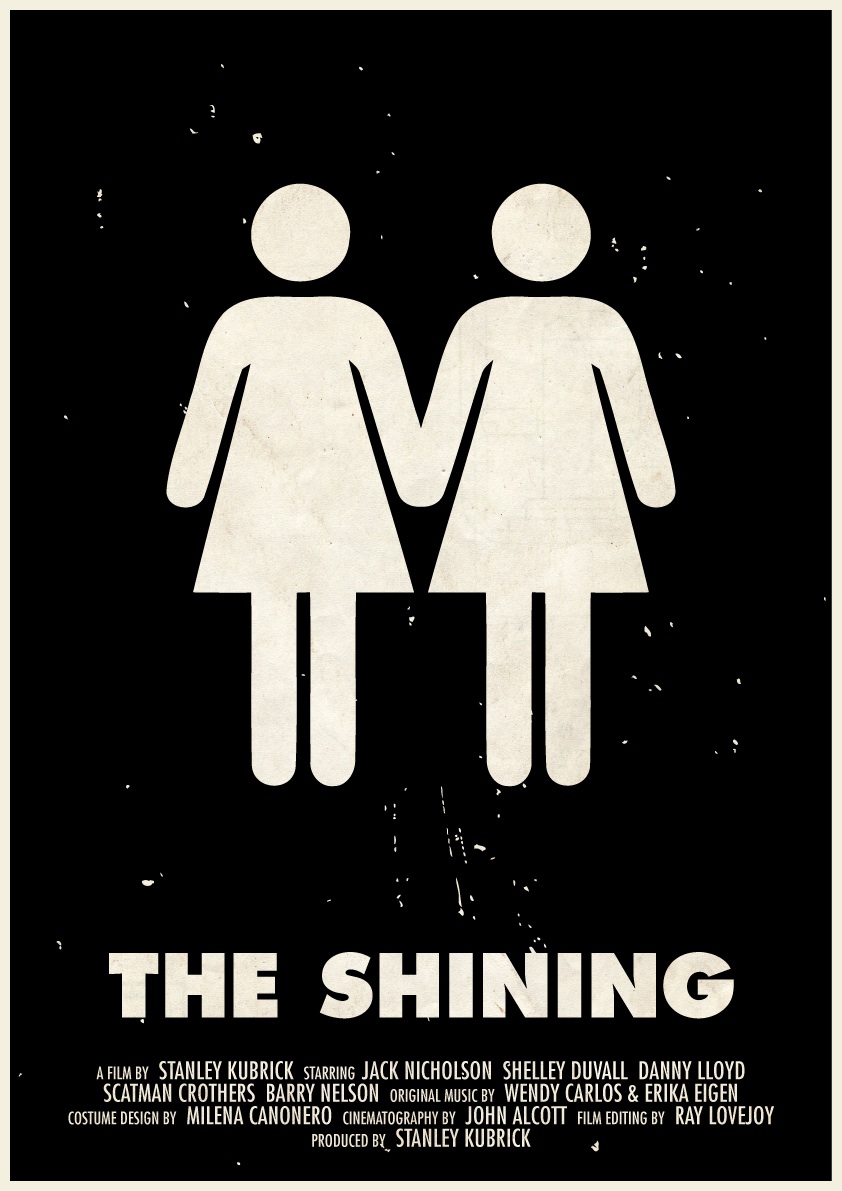
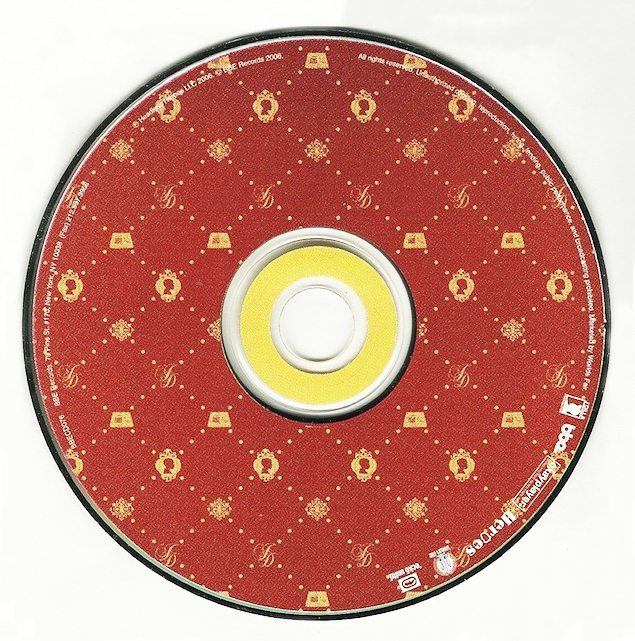
In life J Dilla, aka Jay Dee, who died of cardiac arrest last February at 32, was a bit of a ghostly presence. His hip hop and neo-soul productions wafted in and out at odd angles -- like shadowy light in a film noir tableau. Occasionally, his bass lines straightened into a rugged bounce or rumble, and his tracks appeared in colorful relief, like a morning sunburst (Common's 2000 "The Light") or a neon glint (De La Soul's 1996 "Stakes Is High") or a glittery flash (Q-Tip's 1999 "Vivrant Thing"). But after those vivid, arresting moments, he'd return to his drifting soft-focus keyboards and gritty, wobbly beats. While some producers like to make it look easy, Dilla was often content with mystery. So The Shining, Dilla's final studio work, is an unexpected blessing. His scattered styles are woven together seamlessly. From the buoyant hip hop soul of "Love" (with a firm Pharoahe Monch presiding) to the mesmerizing swoon of "Baby" to the punchy swagger of "Body Movin'," Shining brims with clear-cut and fully resolved ideas. It's a stirring example of how an artist can successfully imprint all sides of his personality -- from brash to sentimental -- onto his music and create something lasting, true, and whole. - Spin (October, 2006). A promotional sticker from BBE added, "On August 22, 2006 J Dilla's The Shining will serve as a testament to the fact that legends never die. "One of the most important musicians of our time. When we think of John Coltrane, Charlie Parker, Miles Davis, Stevie Wonder, and Marvin Gate, J Dilla will be going down along that history line of greatness," said Common in XXL. "The Shining" features Common, D'Angelo, Pharoahe Monch, Busta Rhymes, Madlib, Guilty Simpson, Dwele, Karriem Riggins, J. Rocc and Black Thought. Below is the advance copy of The Shining with dialog samples from Stanley Kubrick's "The Shining" mixed into certain songs on the album. These samples aren't on the commercial release. Hear the promo below...


Rest In Peace, James Dewitt Yancey aka J Dilla...

August 07, 2022

Jadakiss "Kiss Da Game Goodbye" (August 7, 2001)


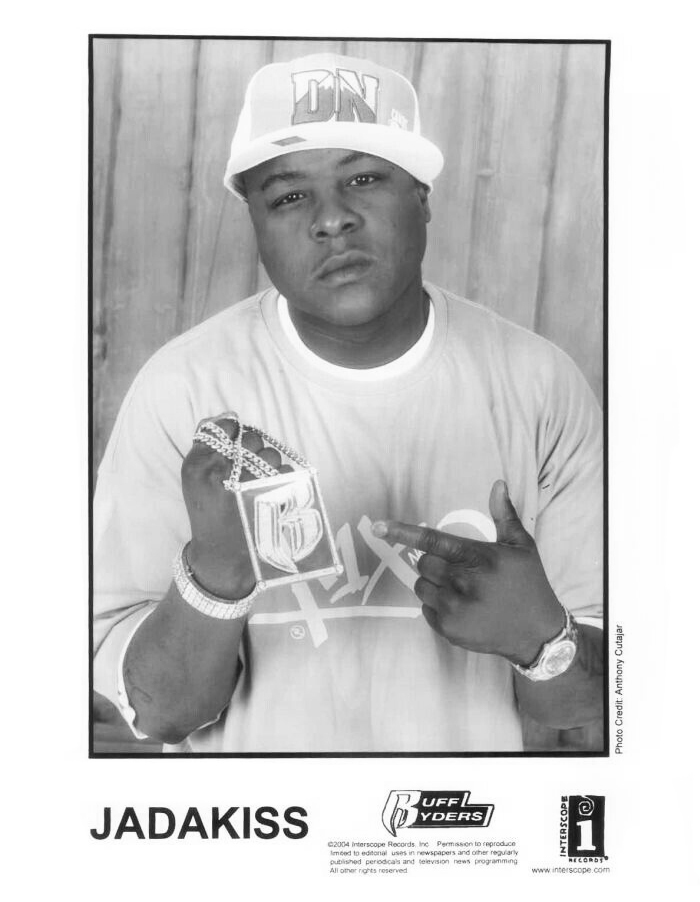
In terms of sheer anticipation, Jadakiss' buzz was at an apex at the time of this album's release. While fellow LOX members Sheek and Styles flashed improved flows and lyrics on their group's sophomore strike, We Are the Streets, Jadakiss remained the group's undisputed frontman. And with the streets virtually foaming at the mouth, Jadakiss returned from the lab to birth his solo debut, Kiss tha Game Goodbye on this day in August, 2001. The majority of reviews -- including the above-referenced review in AllMusic -- found it ironic that the crew jumped ship from Diddy to get away from the shiny suits, then Jada went directly after mainstream attention with his debut. Surely he woulda had a better chance at that just sticking it out with Puff? Yes/No/Maybe? That's not to knock the harder album cuts on here, such as the Alchemist-produced "We Gonna Make It," featuring Styles; the DJ Premier-blessed "None of Y'all Betta," featuring Styles and Sheek; and "Feel Me", also produced by The Alchemist, among others. While Styles P remained closer to the independent route, Jada was always more comfortable taking those mainstream budgets and making it happen -- even if it meant sacrificing his chances at having a true "classic." In the Rhyme & Reason article below, Jada said it in his own words when discussing "What You Ride For?": "There's something for everybody." That's straight label talk. West Coast, Down South; an Aerosmith remake and more, there's a lot going on with this album. You can read more about the various cuts below...


In the case of "None of Y'all Better," Jada says, "You know you can't make a classic album without using Premo. He's like the god of producers. We made it a LOX song because nobody better than the LOX." 100% facts, gotta have a DJ Premier beat! For "Feel Me," he shares, "That's like a personal joint that I'm giving people. Everybody wanna know a little something about your life. That's 40 bars of just me spillin' my guts out." For "We Gonna Make It," he says, "I had to do that one. That's like more of my element right there. I pulled out Alchemist. I was feeling it. That was my first time ever meeting him. I threw my man Styles P on there. You know, Jadakiss and Styles collaboration." Then there's "Knock Yourself Out," where I cram to understand, "Everybody always come up to me and ask me when I wanted to do a song for the clubs, for the ladies. That was the politics of the whole thing." On the flip-side is the Nas-assisted, "Show Discipline," which Jadakiss describes: "I just wanted to do a hard joint, real hard, for the "hood." I wanted Nas on there. My own vintage, that's all that is." If nothing else, Jada knows how to keep it simple, stupid. Dig into the full Rhyme & Reason article and more below + of course, revisit Jadakiss' Kiss Da Game Goodbye today! D-Block!
July 06, 2022

Charizma & Peanut Butter Wolf "Big Shots" (2003)


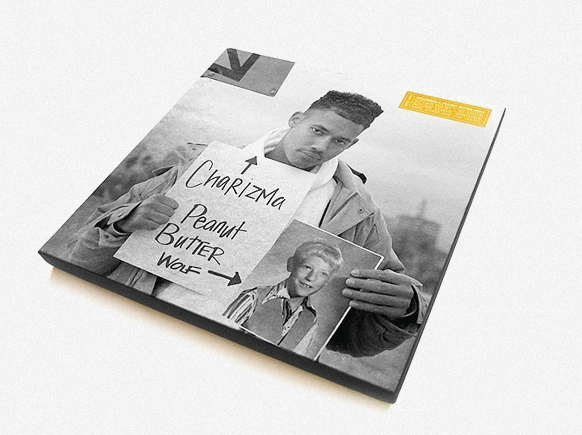
A budding lyrical kid named Charizma could have been much more than another poster child against senseless gun violence if only the hip hop community had ever been properly introduced. One spin through his long-awaited release, Big Shots, originally recorded with Peanut Butter Wolf between '91-'93, and it is painfully apparent that Charles Hicks, then a 19-year-old MC from San Jose, could have been among the ranks of early pioneers like the Fresh Prince, MC Lyte, De La Soul, Special Ed or perhaps even KRS-1 had his life not been tragically cut short. Ten years after Hicks' passing, Peanut Butter Wolf, released their bittersweet collaboration on his Stones Throw label to much belated praise. PB Wolf obviously holds Charizma in high esteem, as his single, "My World Premier,” was their first release in 1996. On it he rhymes, "In a b-boy stance, I'm in this smog all alone / When I didn't have a mic I rapped on headphones." Indeed, Charizma can't easily be compared to other old-school MC's. His nubile bravado does conjure a teenage Big Daddy Kane, who sips on Martinelli's apple juice and sucks on sweets not exclusive to the corner store. Review cont'd below...


The album is comprised of a vast array of solid tracks from both a lyrical and production standpoint, but only "Jack the Mack" and "Red Light Green Light" were released during Hicks’ lifetime. It wasn’t until PB Wolf started Stones Throw that these songs truly had an opportunity to shine. "Here's a Smirk,” the best single from the album, hits hard with Charizma eloquently balancing his intellect with his bad-boy playa side while PB cuts it up with fast-paced, jazzy snippets reminiscent of Tribe's Low End Theory sound. "Tell You Something" could induce dancefloor karaoke with the object of your evening's affections, especially the call and response anthem (Charizma: "I think I wanna tell ya something, His lady: Well go on, tell me something). There are also a handful of charming songs devoted to the ladies seduced by Charizma’s b-boy charm. Even as Hicks’ legacy hangs over the album, it must be known that Big Shots would not be nearly as memorable without PB Wolf's timeless production quality. "The style's deep even when we fall asleep / Dreaming of the usual...a rap beat," flows Hicks on "Methods,” a track so lovely and mellow that you would think it's sampled from DJ Shadow's Endtroducing, despite its creation almost four years prior. Big Shots offers a fresh glimpse of the early days of hip hop, where bitches were still honeys, the niggas were just brothas, and the MC battles knew their boundaries were onstage. Some might call Charizma's flow dated amidst the current haze of uzi-style rapping. Personally, I think this album brings the best of both worlds – an MC with class and a DJ/producer with sass who created music worthy of an urban time capsule. - Dusted Reviews. Rest In Peace, Charizma. Revisit the LP above.

June 22, 2022

Jadakiss "Kiss of Death" (June 22, 2004)


With Southern crunk dominating hip hop, Jadakiss represents a dying breed of great East Coast lyricists. His sophomore salvo, Kiss of Death, places him as a contender for the title of King of New York, unwilling to go down without a fight. A swarm of A-list producers--the Neptunes, Kanye West, Swizz Beatz--contribute to Death, switching up their trademark sounds to Jada's benefit. West drops galloping kicks (sans vocals) for "Gettin' It In," while Swizz gets fish-grease funky with the blaxploitation groove of "Real Hip Hop." Guests Snoop Dogg and Anthony Hamilton join with LOX cohorts Sheek and Styles on an assortment of street cuts. Also, West Coast hook master Nate Dogg assists Jada on the G-funked lead single, "Time's Up." The hypnotic "By Your Side" and love-themed "You Make Me Wanna" show that Jada has more to offer than body counts and gun talk. On the impressive "Air It Out," Jada spits, "All I got is my balls and my vocals / And the only security I roll with is my social." He has more than that. With Kiss of Death, Jada's well on his way to achieving hip hop immortality. - Vibe Magazine (July, 2004). If we're keeping it a buck, Kiss of Death fell short of classic status, but it definitely had a handful of solid joints. Vibe Magazine gave it 4 of 5 stars, which might've been a bit of a stretch, but I can also see their logic at the time. The marriage of commercial rap and underground hip-hop isn't easy, but with a career stretching as long and as consistent as Jadakiss has had, an elusive classic album may be the only thing he hasn't achieved in an industry where he's widely considered one of the greatest MCs to ever do it. So, revisit it today, and find out why Jadakiss is as hard as it gets... on his sophomore album, Kiss of Death... 


A copy of the album review in Vibe Magazine and more is below...

May 31, 2022

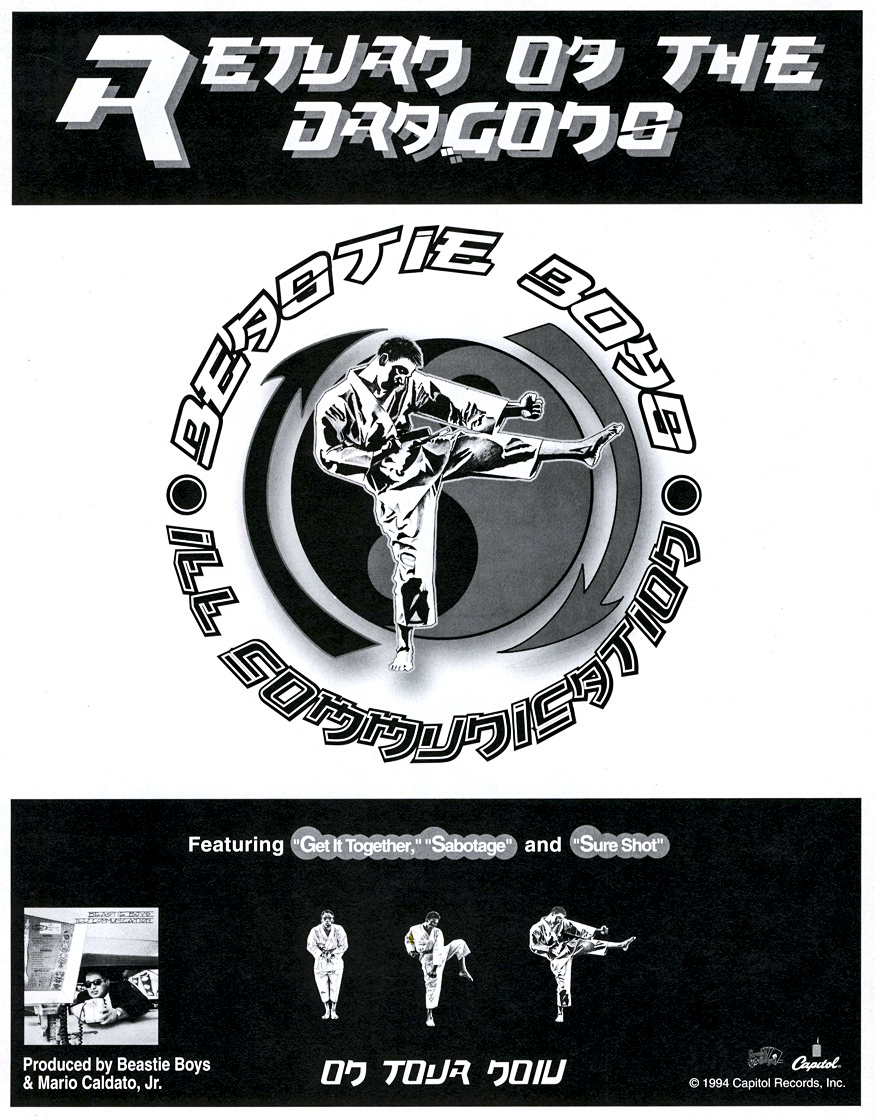
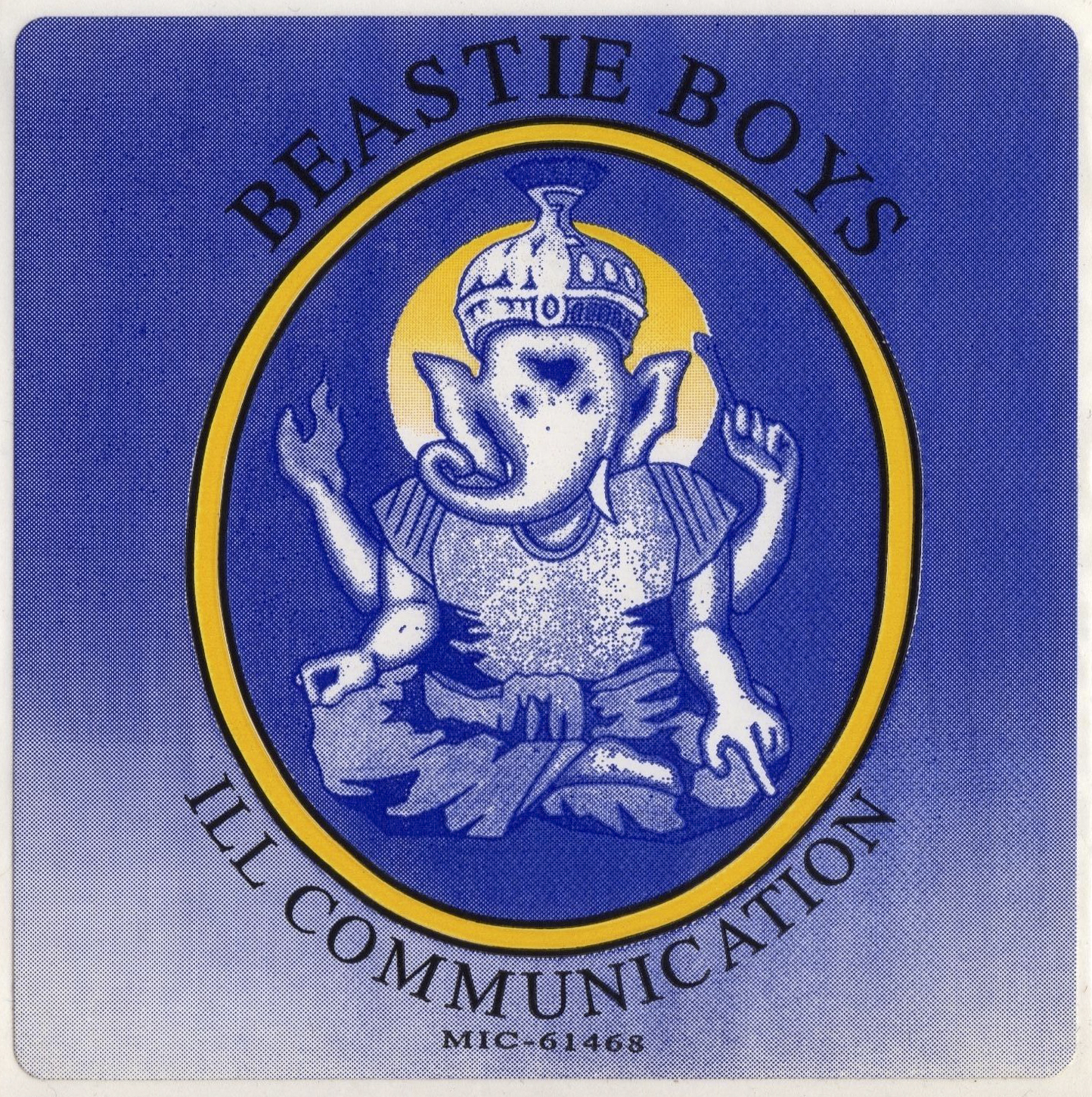
Beastie Boys "Ill Communication" (May 31, 1994)


Guaranteed plan for success: Spend your formative teenage years in early '80s downtown NYC, following hip hop all-nighters with full afternoons of hardcore punk at CBGB and vice versa. Confound fans of your hardcore band by working full-on rap numbers into your repertoire, ultimately dropping instrumentation altogether. Release the first ever rap album to top the pop charts, spend a couple years as the biggest hip hop outfit ever, then go underground. Come out a few years and 180 degrees later, working live instrumental jams and straight-up punk rock back into the set. Record sales are back up past the million mark, shows selling out everywhere... and then what the f#ck do you do? Well, unless you're the Beastie Boys, you don't get this far in the first place. If you are the Beastie Boys, however, you once again release your most ambitious record to date, Ill Communication (Grand Royal/Capitol). Like its predecessor, 1992's Check Your Head, Ill Communication is a B-Boys/Mario Caldato Jr. - produced 20-song blend of genius lyrics and rhymes (John Woo/Rod Carew, Kojak/bozack, divorcee/Lee Dorsey... all by the end of the first verse of lead track/first single "Sure Shot"), soulful instrumental interludes (including the bass-overdriven "Futterman's Rule," the plaintive "Ricky's Theme," and closing cool-down "Transitions"), and the occasional blast of hardcore punk ("Tough Guy," "Heart Attack Man"). Unlike Check..., which was two years in the making, the bi-coastally recorded Ill Communication took barely seven months to complete--just over a year to the day from beginning of recording to release date--setting a precedent for a band whose fans have grown accustomed to three-year intervals between albums. "We finished the Check Your Head tour around Thanksgiving '92," Mike D recalls. "We were on tour for eight months, then we took five months off. Then we started on the new album in New York. We just got back together, set up all our equipment, and started playing right off. We then headed back to the world-famous G-Son studios in LA to sift through our collection of 'Space Truckin'-esque jams and begin working on the hip-hop tracks." - Press Kit, 1994. "Get It Together" with Q-Tip was absolutely my jam at that time. Revisit the Ill Communication album from the Beastie Boys below...


I hope history never forgets the unique impact the Beastie's had on music.

April 13, 2022

Mobb Deep "Juvenile Hell" (April 13, 1993)


On their debut, Havoc and Prodigy tell the listener in all sorts of overconfident manners that there are few people out there who can mess with Mobb Deep. In fact, they do so in 14 different ways on Juvenile Hell. Mostly produced by Mobb Deep themselves, this album is rawness at an unrelenting pace, with an undeniable, relentless, and often irrational energy. The intro cut sets the mood as a warning, set to a "Queens brand" production. The tempo is kind of fast, but the bassline rolls to easily facilitate a strong head nod. The sampled horn stabs help to remind you that, after all, it's still music. Over this beat Prodigy cautions: "It's called Juvenile Hell; you won't survive long." In the first few songs, Mobb acquaints the listener with the life of a "frustrated and confused young juvenile" living in Queens. Juvenile Hell is hardcore, but not void of musical pr creative effort and accomplishment; it's really cool, serious, and 100 percent hip-hop. Highlights include "Flavor for the Non Believers," "Peer Pressure," "Stomp Em Out" (featuring Big Noyd), and "Hold Down the Fort." When Juvenile Hell was initially released, it didn't do so well in the stores. Perhaps it was the excess of threats and proclamations making up Juvenile Hell that kept buyers away in 1993, or maybe it was the label's inability to market this virulent project correctly. In any event, it's an album worthy of historical note. - AllMusic. Revisit Mobb Deep's debut album, Juvenile Hell, from 1993 below...


Rest In Peace, Prodigy...

February 25, 2022

Fu-Schnickens "F.U. Don't Take It Personal" (Feb. 25, 1992)


Even before they made it to the record bins, three-man New York crew Fu-Schnickens created quite a buzz in the hip-hop community with the oddity of their group name. Once they dropped their debut album, F.U. Don't Take It Personal, their music turned out to be every bit as curious and intriguing. The music is inundated with kung fu movie dialogue snippets and all manner of lyrical references to pop culture, both obscure and otherwise; this provides the album with a joyous, tongue-in-cheek, almost cartoonish flair. That sense is countered by the machine-gun-rapid toasting and almost military-like shouts of the three MCs (Poc, Chip, and Moc Fu), who trade off rhymes so telepathically that they seem to finish each other's sentences half the time. In this regard, they fit in perfectly with peers such as Leaders of the New School and Brand Nubian, as part of the early-‘90s new wave of rap crews that catapulted hip-hop into the future partially by playing up the camaraderie of old-school rap groups. All the peer crews, however, were so progressive because they grew up fully in a hip-hop culture and lifestyle, and knew where they wanted to take it, thereby developing unique styles and, occasionally, novelties to help them stand out. Fu-Schnickens were no different in this respect, and although their fashion sense (kung fu outfits on the cover) and taste in influences may have initially painted them as a novelty, their approach to music was straight serious on this debut album, and it shows. With production help from A Tribe Called Quest, they create spare, tension-filled, intense soundscapes, and twist reggae and vintage soul samples into unrecognizable, bass-heavy tracks. Even better is the trio's ear for vocal hooks, which stamp each song with an instant appeal. - AllMusic. Revisit this fine novelty album below...


I Am a True FuSchnick OG promo sticker...

February 15, 2022

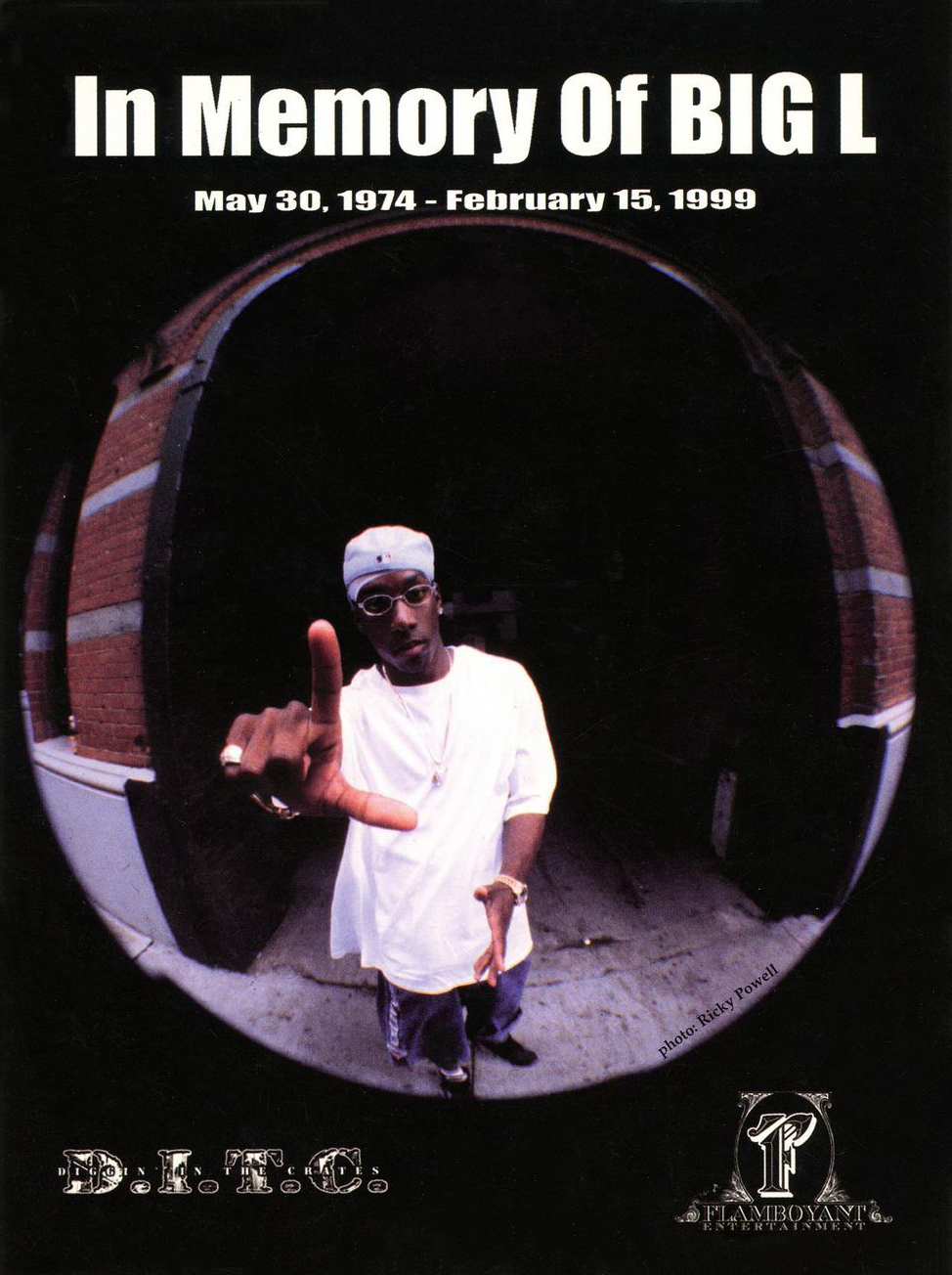
Rest In Beats, Big L (Daily News, 1999)


Adoring fans, friends mourn slain rapper: A rising rap star was mourned yesterday in his Harlem neighborhood, two days after he was gunned down three blocks from his home. Big L, whose real name was Lamont Coleman, was struck by nine bullets in the face and chest Monday night at 139th St. and Lenox Ave. -- a corner featured on the cover of his latest single, "Ebonics." Police said they don't know why Big L was killed, adding that the slaying didn't seem to have anything to do with a feud between East and West Coast rap factions. "Everything points to him being a good kid," said one detective. "We have no suspects, no motives." To his fans, Big L was a legend in the underground rap world, acclaimed by hip hop magazines The Source and Vibe, and dubbed the "King of Harlem World Hip Hop." Big L's mother, Gilda Terry, said she had no idea how big a rap star her son was until people from all over the world called to console her. "People have called from Japan, Switzerland, Croatia," Terry said yesterday, wearing a T-shirt with her son's grinning image and rap moniker. Big L may have talked tough in his lyrics, his friends and family said, but he was a quiet, humble man at heart. His mother said she found her son's journal, opened to his latest poem, on his bed. He was scribbling poetry in it minutes before he died. In one song, "MVP," he rapped: "If rap was a game, I'd be MVP / Most valuable poet." Yesterday, posters of Big L and cardboard signs with scrawled condolences covered a wall near the corner where he died. Flowers and candles were piled on the sidewalk as mourners prayed at the curb. "His music was 'buttah,' it was real nice," said Javon Francis, 12. "He was dumb cool with everyone," said Jarrell Richardson, 11. "Even though he was famous." The rapper was signed to Columbia Records while he was still in high school. His first album, "Lifestylez ov da Poor & Dangerous," was released in 1995, prompting two world tours. Last year, he came back to New York and started his own label, Flamboyant (Fat Beats). He also worked as a producer and writer for other labels, such as Wu-Tang Records. He will appear in an October Films release, "Boricua's Bond." "What was surprising about this brother was that he was a somebody and I was a nobody, but he helped me," said Shyheim, a rapper whose album "Manchild" will be released on Wu Tang this month. "He will be missed." - Daily News (Feb. 18, 1999). Rest in eternal Peace, Big L.

November 30, 2021

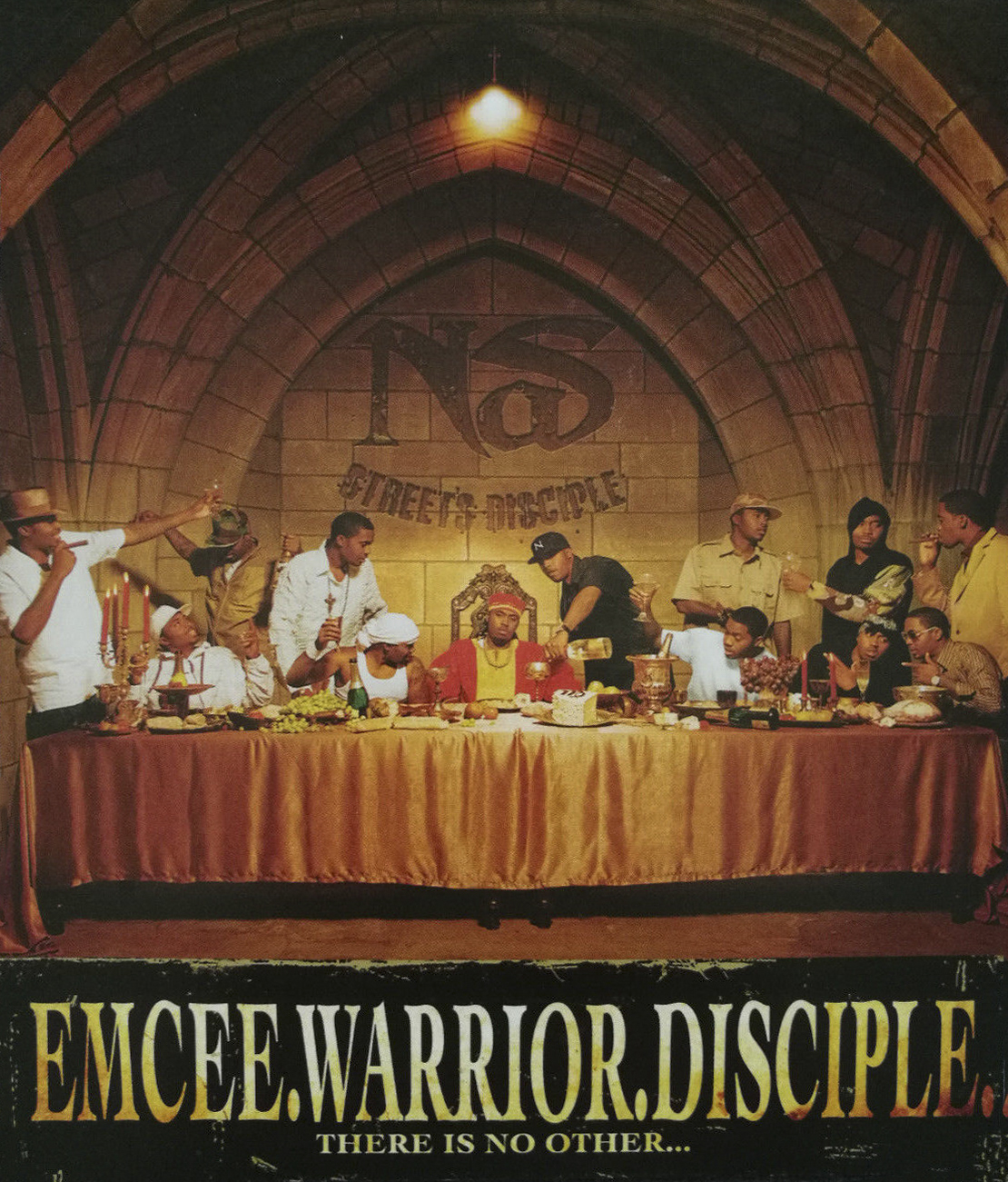
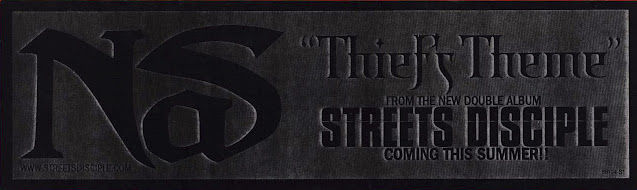
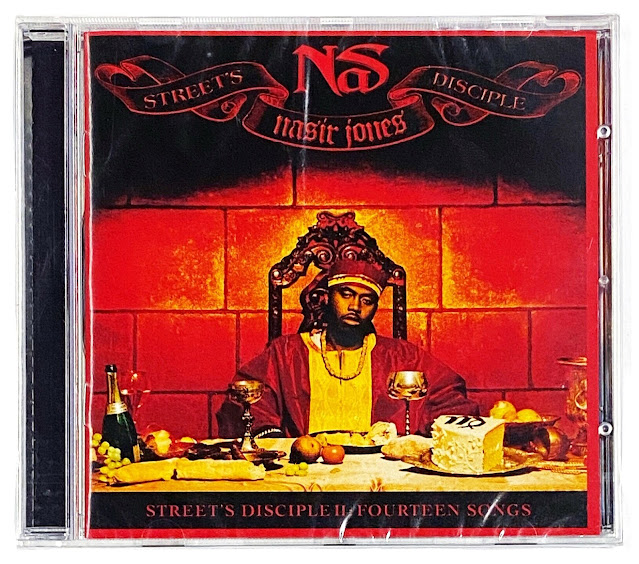
Nas "Street's Disciple" (November 30, 2004)


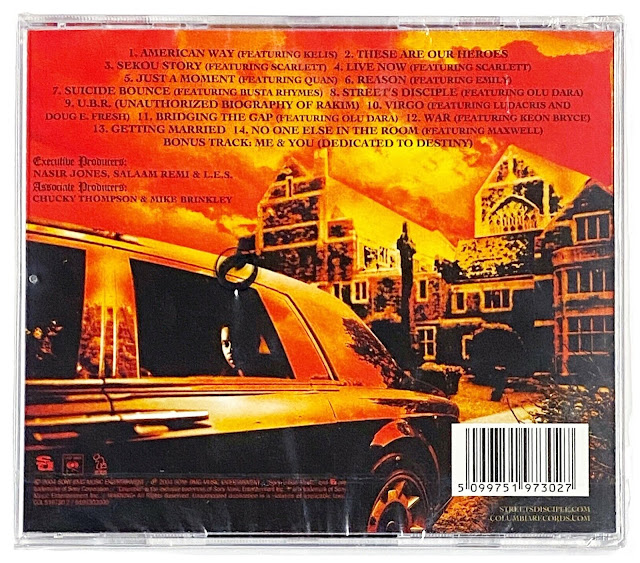
Ten years deep in the rap game, Nas unveiled Street's Disciple, an indulgent album that sprawls across two discs, freewheeling through a dizzying array of ace productions and thoughtful raps. The album is very much a continuation of its predecessor, God's Son: both helmed primarily by producers Salaam Remi and Chucky Thompson, both uncompromising personal statements that make few concessions to the pop market, and both undoubtedly fascinating, if overindulgent. The difference is, Street's Disciple goes a step further, indulging all the more in the creative whims of Nas. And, with the exception of some first-disc throwaways, the result is nothing short of astounding, especially if you've followed Nas over the course of his first decade. Catchy hooks are few and far between here, granted, with most of the songs crafted as if they were freestyle raps. This works, though, because Nas benefits from outstanding productions, a peerless rap style, and an interesting back-story. The 25 productions here are all courtesy of longtime Nas collaborators Salaam Remi, Chucky Thompson, and L.E.S., with only a couple exceptions (Nas produces a couple himself). These guys know Nas better than anyone, and they deliver the goods: hardcore beats for the streets, usually laced with an inventive sample for a hook effect. These riffs offer Nas ample room to let loose, and he does precisely that on one track after another, often touching upon a specific theme yet doing so in a loose, free-associative manner that highlights his talent for wordplay and storytelling. Within his raps, Nas often mines his own past, present, and future: for instance, he touches upon his heritage ("Bridging the Gap"), his impending marriage ("Getting Married"), his eventual death ("Live Now"), his influences ("U.B.R."), his most memorable female conquests ("Remember the Times"). All of this amounts to a lavish album sure to dazzle true hip-hop heads, who will find much to admire and study here, from the especially deep and twisted raps to the sample-rich productions. On the other hand, all of this also amounts to an album that might prove somewhat impenetrable to those who aren't already attuned to the legacy of Nas. Either way, Street's Disciple is another key album in that ongoing legacy, further evidence that Nas is back on track after falling off during the late '90s with I Am and Nastradamus. It's not a perfect album -- it's far too indulgent for that -- and would have been stronger as a single disc, but its ambitious sprawl makes for a powerful statement that Nas disciples will surely savor. - AllMusic. Listen back...


I don't come back to this album a ton, but it definitely did have some joints...

November 24, 2021

Kool G Rap & DJ Polo "Live and Let Die" (November 24, 1992)


A strong case could be made for Live and Let Die as Kool G Rap & DJ Polo's crowning achievement. Who can really say for sure if the controversy surrounding the cover artwork--which shows the duo feeding steaks to a pair of rottweilers, in front of two noose-necked white men--clouded a proper consensus? With across-the-board stellar production help from Sir Jinx and Trackmasterz, G Rap (who also produces) thrives on his no-holds-barred narratives that peaked with Wanted: Dead or Alive's "Streets of New York," but most everything on this album comes close to eclipsing that song. "Ill Street Blues" is practically a sequel to it, and it manages to use more swanky piano vamps and horn blurts without making for a desperate attempt at capitalizing on a past glory. Few tales of growing up in a life of crime hit harder than the title track, in which G Rap displays the traits--unforced frankness, that unmistakable voice, and a flow that drags you involuntarily along--that made him a legend. The album is one story after another that draws you in without fail, and they come at you from several angles. Whether pulling off a train heist, venting sexual frustration, analyzing his psychosis, or lording over the streets, G Rap is a pro at holding a captive audience. All die-hard East Coast rap fans, especially followers of the Notorious B.I.G., owe it to themselves to get real familiar with this album and the two that predated it. If you were to take this duo's best five songs away from them, they'd still be on the top duos rap music has ever seen. - Old School Rap and Hip-Hop. The book surely made their case very strong for Kool G Rap as one of the G.O.A.T.!


And yes, "Ill Street Blues" was easily one of my favorite cuts of 1992. 

November 14, 2021

Prodigy "H.N.I.C." (November 14, 2000)


A consistent MC, Prodigy builds on his previous work, defies audience expectations, and steadily increases his fan base with each accomplishment. His solo debut, H.N.I.C. (Head N!gga In Charge), introduces listeners to a side of him that isn't always rocking Mobb Deep's tried-and-true gun-blast formula. As a result, H.N.I.C. stands as a slight departure and a vivid portrait of P as an artist. H.N.I.C. is an invitation into the happy, sad, and violent world of P's life. On "Veteran's Memorial," he offers a sobering reflection of his early days, when he and his fellow Mobbster, Havoc, would record demos and shop record deals. Instead of another "listen to my demo" routine, he includes details about the many friends who have died and aren't here to see him shine. Prodigy addresses familiar Mobb topics on "Lumbar Support" and "Y.B.E." (feat. Twin and B.G.) but from a different angle. He expresses sadness at the thought of young black men choosing to earn money through illicit means and blows holes in the theory of "survival crimes" along the way. The most personal track, "You Can Never Feel My Pain," offers a candid discussion of his struggle with sickle cell anemia. After describing his love-hate relationship with the prescription drugs that keep him alive and lamenting about his inability to engage in sports, he tells his rap peers that their complaints about money and living in the projects can't match his more severe, life-threatening problems. Cont'd below, revisit...


Between thought-provoking meditations on life and art, P squeezes in a few of the hardcore club bangers that keep him paid. "3," featuring Cormega, opens with a booming orchestra that fades into lustrous harp crescendos; the hyper-tense title track sounds like an action-movie theme. Then there's "What U Rep," on which he and Noreaga team up over an ill harpsichord to humiliate peers with lines like: "Queens n!ggas like to shoot / Ain't afraid to fight / While you n!ggas wear Pampers / Like the cradle tight." Producers such as Havoc, The Alchemist, EZ Elpee, and P himself give H.N.I.C. enough hard snare snaps and gloomy strings for the hardcore Mobb fans while redefining the formula with upbeat tracks and jumpy piano chords and samples. Overall, H.N.I.C. is an outstanding combination of diverse sounds and complex themes. As long as Prodigy is rapping, the bridge ain't over." - Vibe (December, 2000). Rest In Peace, Prodigy! LP is still not available to stream!

November 07, 2021

GZA/Genius "Liquid Swords" (November 7, 1995)


Genius/GZA (say "gizz-uh") is the fourth, and last, member of the mighty Wu-Tang Clan to demonstrate his talents in a solo format (not counting a poorly marketed pre-Wu-Tang album in the early '90s). But, like Method Man, Ol' Dirty Bastard and Raekwon's albums, these offshoots aren't typical solo records; Wu-Tang side projects never fly far from the nest. Each one, including Genius' Liquid Swords, is created with the same ingredients: rock-solid, devastatingly sparse beats and dirty hooks that infect like slow poison on the brain. It's all part of the Wu-Tang empire, which contains everything from its own line of merchandise to an amazing World Wide Web site. With all of the familiar earmarks in place, like tales about head-hunting Ninja warriors, GZA shows us his well-disciplined flow: it's unlike the double-edged rhymes of Raekwon, but more akin to Method Man's lyrical precision. "Labels" may be the most creative, as it incorporates nearly every rap label into the lyrics, while "Duel of the Iron Mic" is a lyrical showcase of Ol' Dirty Bastard, Inspectah Deck, and others. Also be sure to hear Meth take over "Shadowboxin'." - CMJ New Music Monthly (February 1996). Still one of the greatest winter albums of all-time and some consider to be the greatest solo album from the Wu-Tang Clan... I'll leave that to y'all to debate (still). I share something from this album almost every year, so dig into the archives for rare press kits, promotional items (stickers, postcards, posters), + more! Revisit GZA's classic sophomore album, Liquid Swords, below...


"My Priority is that I'm First Priority..." - Labels.